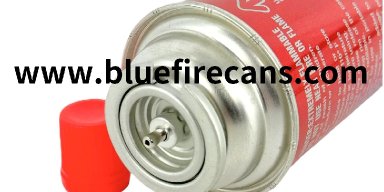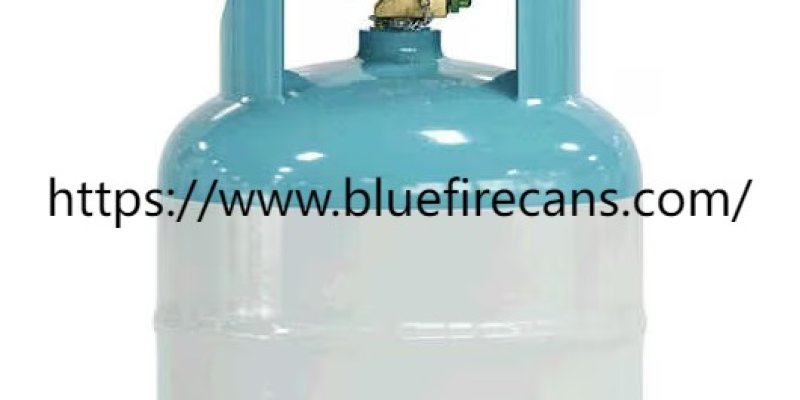
When service techs and careful homeowners handle refrigerants a few small choices decide whether work stays routine or turns stressful. Bluefire R134a Refrigerant Can sits in that daily choreography as a sealed pressure vessel that needs respect for heat light and rough handling. Knowing how to keep cans away from sun and heat protects people and property and keeps systems running as expected which matters more as more households rely on cooling and climate control in extreme weather.
Keep the simple rule in mind store sealed cans where they will not be exposed to direct sunlight or nearby heat sources. A shaded cabinet or a ventilated storage room that does not trap heat is a better choice than a garage that heats up in bright weather. Sunlight against a metal surface accelerates paint and seal degradation and raises internal pressure compared with a cool dim area. Treat refrigerant containers like other pressure items and avoid piling them in tight boxes where heat can build up.
Transport deserves as much attention as storage. When moving cans in a vehicle place them upright and secure them so they cannot roll or be crushed by other gear. Avoid leaving them in a closed car cabin while the vehicle sits in bright sun. If you must carry multiple units use a ventilated crate and position them so each can rests gently against padding rather than tight against hard edges. Careful handling reduces dents and other surface damage that can complicate later use.
At sites where cooling systems are being serviced adopt a staging area away from flames heaters and high voltage equipment. When technicians prepare to connect a can keep it out of direct sun until the moment of use and verify the valve cap is intact. Inspect the can for obvious deformities before fitting a connector. If the exterior shows deep creasing or paint loss set the can aside and consult your supplier rather than improvising a repair on the spot. Visible quality checks are fast and they remove ambiguity when teams are busy.
Packaging and manufacturer practices play a role in safe storage. Suppliers that describe routine pressure checks consistency in production and optional pressure relief features on the vessel reduce the chances of unexpected failures during shipping and storage. Those visible production notes help buyers plan storage by giving confidence that cans left alone will behave predictably if they are handled according to the maker guidance. If you rely on a supplier for frequent deliveries consider asking for written handling recommendations and verify that the cans you receive match the descriptions provided.
Regulatory pressure and public interest in safer products have made documentation more common. Where supply chains are under scrutiny brands and distributors often publish inspection and certification details. When you source refrigerant from a vendor check for that paperwork and confirm that transport and storage steps are spelled out. Those steps often include keeping sealed cans away from direct heat and packing them for transport in upright positions with adequate padding to prevent impact damage. Such guidance reduces uncertainty and speeds up safe handling at busy service locations.
Climate related conversations are shaping demand for cooling solutions and that affects how many cans move through storage facilities and service vans. As demand grows it becomes easier to overlook best practices simply because volume increases. That is why a short storage policy for your shop or home is useful write down where sealed cans should live who is allowed to move them and how to inspect them before use. Clear routines make it harder for a simple oversight to turn into a safety concern when a busy day stretches into the evening.
Field habits make a practical difference. Keep cans shaded store them upright and use breathable covers when long term storage in non climate controlled spaces cannot be avoided. Rotate stock by age and avoid crowding so each container gets airflow around it. When temperatures are unusually high move sealed units to a cooler area rather than letting them sit where heat can accumulate. These actions add minutes to prep time and they reduce the chance that handling mistakes will interrupt service work.
When you choose a supplier pick one that publishes production and inspection notes so you can align your handling with the maker recommendations. Clear guidance on valve caps threading and pressure related design features helps technicians and storage managers set rules that match the actual product. That reduces guessing and makes daily operations safer and smoother for everyone who touches the cans. If you would like to review product notes and handling guidance for refrigerant cans visit the product section at https://www.bluefirecans.com/ .