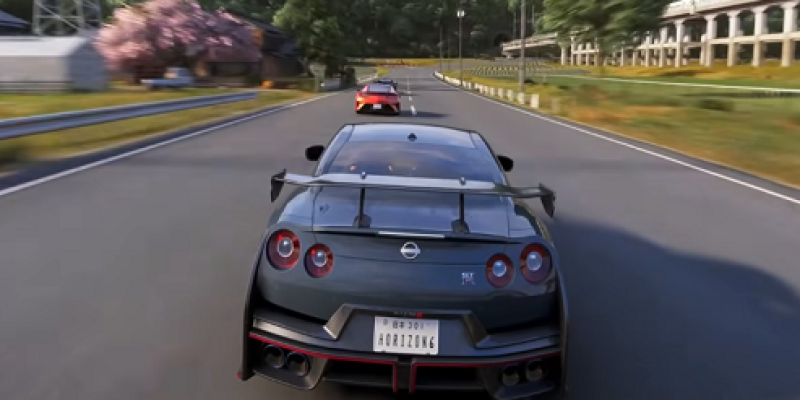
The Aston Martin DB7 GT is the sort of car that can fool you at first. It feels calm, heavy and almost too well-mannered when you leave the garage, but that polished surface hides a useful amount of pace. It also rewards a sensible build rather than a shopping spree. If you're working with a limited budget, spend your FH6 Credits on grip and control before chasing a huge power figure. That one decision makes the DB7 GT much easier to enjoy, especially on technical road circuits where a badly balanced car quickly becomes hard work. The V12 soundtrack is a good reason to keep the car, too. It gives the Aston a character that many faster swaps simply don't have.
Build Around the Way You Drive
There isn't one perfect DB7 GT setup. A relaxed grand touring build can stay close to the original engine, add better brakes, fit sport suspension and use a mild transmission upgrade. That approach keeps the car smooth and predictable. It's a good match for long road races, mixed-speed routes and players who like carrying momentum instead of attacking every corner.
If you want a more serious road racer, start with weight reduction and race suspension. Those upgrades change the car more than a few extra horsepower ever will. You'll feel the difference when the road bends twice in quick succession. The Aston settles faster, changes direction with less hesitation and doesn't lean as heavily under braking. Wider tyres help as well, but don't blindly max out every available option. Too much tyre can push the car into a higher class without giving you a useful gain elsewhere.
For a balanced build, aim for a car that feels quick rather than one that only looks impressive on the dyno. A DB7 GT with moderate power and strong cornering can be much more competitive than a wild, overpowered version that spins its rear tyres every time you touch the throttle.
Choosing an Engine Swap
Keeping the original V12 is still one of the most enjoyable choices. It suits the Aston's personality, delivers steady power and makes the car feel like a proper grand tourer. Add intake, exhaust and sensible forced-induction upgrades if the class allows them, then use the saved performance budget on tyres, brakes and chassis parts. This route works particularly well for players who care about the drive as much as the leaderboard.
A twin-turbo conversion takes the DB7 GT in a different direction. Power can climb dramatically, and the car becomes much stronger on fast sections and long straights. That sounds appealing, but the extra output exposes every weakness in the standard chassis. You may need a better differential, wider rear tyres and a careful throttle foot. If the swap adds too much weight, acceleration alone won't save the build. A lighter engine option, when available, can be the smarter choice for a circuit-focused setup even if its peak horsepower looks less exciting.
Try the car after each major change. Don't fit the swap, every engine part and the biggest turbo in one visit, then wonder why the Aston feels nervous. Two or three test laps will tell you more than a menu full of green numbers.
Suspension, Brakes and Differential
The DB7 GT likes a composed chassis. Lower the ride height carefully rather than dropping it as far as the game permits. A little clearance can help the car stay stable over bumps and kerbs. Race springs give you the adjustment range needed for serious tuning, while sport springs are often enough for a lower-class build. Keep the front end responsive, but don't make it so stiff that the tyres lose contact over uneven surfaces.
Anti-roll bars are a useful place to begin if the car rolls too much or refuses to rotate. Small changes work best. If the front feels lazy in slow corners, a modest adjustment can sharpen turn-in. If the rear starts stepping out, soften your approach and let the tyres do their job. Damping should be changed in the same spirit. There's no prize for setting every slider at an extreme.
Brakes deserve more attention than they usually get. Upgraded brakes shorten the stopping distance, but they also give you more confidence to brake later without locking the front end. Then tune the differential so power arrives smoothly. A lower acceleration setting can calm wheelspin on corner exit, while a sensible deceleration setting helps the car remain settled as you lift off. The right figures depend on the swap, tyre compound and your driving habits, so use a familiar circuit and adjust one thing at a time.
Tyres, Aero and Class Management
Tyre choice often decides whether the DB7 GT feels planted or merely expensive. Semi-slicks are a strong option for road racing when the performance class leaves enough room for them. Rally tyres can make sense for a looser, mixed-surface build, but they aren't automatically better on clean tarmac. Front tyre width is worth considering early because it improves turn-in and helps the Aston resist understeer. Extra rear width is useful once power climbs, particularly with a turbo swap.
Aero parts should have a job. Adjustable downforce can make a high-class build easier to place through fast corners, but it also costs speed and may push the car beyond the class you're targeting. On an A-class or lower build, mechanical grip usually gives better value. Sort the tyres, suspension and differential first. Add aero only when you can explain what problem it's solving.
Wheel choice matters less than the main performance parts, though lighter wheels can help the car respond a little quicker. Don't waste your whole budget on appearance upgrades while the standard brakes are still struggling. The DB7 GT already looks the part. Make it drive properly before worrying about the finish.
Final Thoughts
The Aston Martin DB7 GT doesn't need to become a 900-horsepower monster to be worthwhile. Its best builds keep the car stable, give the driver useful grip and preserve some of the V12 grand touring feel. Start with weight, tyres and brakes, then choose the engine direction that fits your events. Test the car in real races, not just on a short straight, because slow corners and bumpy sections reveal problems quickly. A careful setup will also leave you more room to collect other FH6 Cars for drift, off-road and drag events without rebuilding everything whenever the playlist changes. When you're ready to refine the project or fund another upgrade path, FH6 Credits for sale can help you spend less time grinding and more time driving the finished Aston.