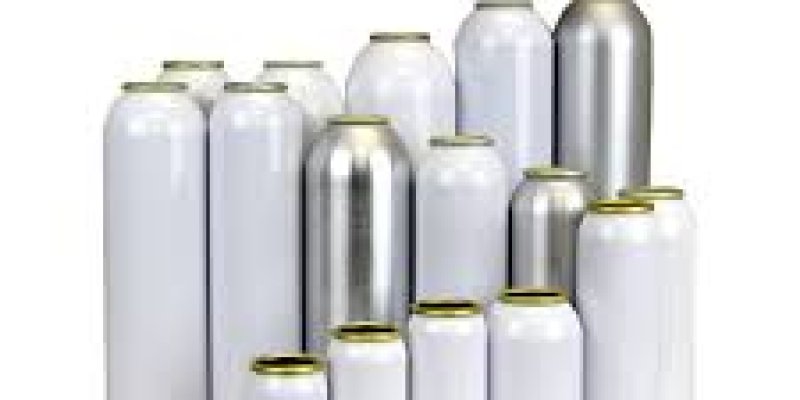
Outdoor cooking feels rewarding when the stove ignites right away and keeps a steady flame going. A Butane Gas Canister fuels plenty of compact stoves for hikes and overnight camps. Temperature influences how well the canister works from the initial light to the final meal. Getting familiar with these effects makes preparation easier and cuts down on typical trail annoyances.
Butane remains liquid inside the canister while under pressure. It has to vaporize into gas before it reaches the burner and ignites. In moderate or warm surroundings, this shift occurs without trouble. The canister holds even pressure, letting the flame stay uniform for heating water or cooking slowly. Mild air encourages smooth vaporization, so lighting happens quickly and the output stays predictable for regular camp needs.
Lower temperatures hinder the change. As the air cools close to or below freezing, butane finds it harder to turn fully into gas. Smaller amounts reach the burner, causing a faint flame or repeated tries to start the stove. Early mornings in transitional seasons or at higher spots often bring this issue, where nights drop quickly. The canister might feel noticeably cold, and pressure falls compared to warmer moments.
High heat creates the reverse problem with added concerns. Strong sun on a pack or a warm car interior lifts the canister temperature a lot. The liquid expands and builds greater pressure inside. Gas escapes faster than usual, leading to tall or unsteady flames tough to manage. Food scorches, and the stove knob loses its usual response. In some cases, too much heat puts strain on the canister body, valve, and seals, increasing the possibility of leaks or other faults. Keeping the canister out of direct sun and away from heat sources helps hold temperatures in check.
Cartridges blending isobutane or propane manage shifts in temperature more evenly. Isobutane changes to gas more easily in cooler air, so higher amounts keep pressure stable during chilly starts. Propane handles cold well, offering fast lighting and solid flames when plain butane would weaken. These mixtures widen the range of usable conditions, suiting trips where days stay warm but nights turn cold.
Elevation plays a part too. Thinner air higher up cuts available oxygen for burning. Paired with the cooler temperatures typical in mountains, straight butane can falter more. Blends with propane or isobutane sustain pressure better and keep flames steadier where oxygen grows scarce.
Fuel use shifts with temperature as well. Under good conditions, the canister releases gas evenly, covering the expected number of meals. Cold air makes the stove work harder for similar heat, consuming fuel quicker. Hot surroundings can speed up use if flames climb high and stay uncontrolled. Selecting a blend suited to likely temperatures helps supplies last longer and lightens the load in the pack.
Basic practices improve results noticeably. Keep the canister shaded during daylight hours. In cold weather, a little insulation—such as tucking it into a coat or bag overnight—assists vaporization when morning arrives. Steer clear of placing it close to campfires or lit stoves. These routines promote even delivery and limit unexpected issues.
Many who cook outdoors pick up on temperature effects through repeated trips. Some bring a small insulator or warmer for cold mornings, while others shorten cook times in heat to keep flames manageable. Passing along these notes helps others get ready for actual weather patterns.
A canister that behaves steadily keeps cooking as part of the fun rather than a hurdle. Reliable flames mean food cooks when planned, drinks remain warm, and energy holds steady through the day. That consistency turns focus toward the route, the surroundings, and the company at camp instead of wrestling with the stove.
Overall, temperature controls how a Butane Gas Canister turns fuel to gas, sustains pressure, and produces even flames. Cooler surroundings slow things down while high heat brings risks and alters performance. Choosing the right blend for expected conditions and using straightforward storage steps keeps cooking steady and safe. For some canister options to consider, visit https://www.bluefirecans.com/product/ to see available products.