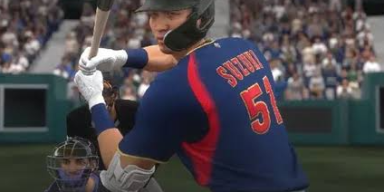
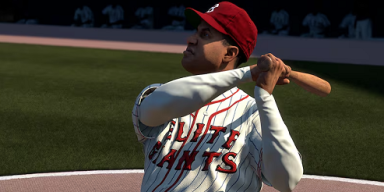
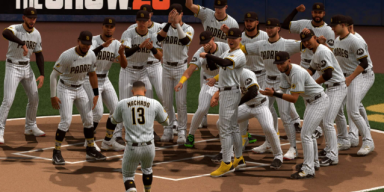
Spending on a replacement slugger before diagnosing weak contact can leave the same hole in your lineup. Before committing MLB 26 stubs to another card, check whether your current hitter struggles against one pitching hand, misses hittable fastballs, or simply receives too few favorable counts. Those problems require different decisions.
Fix the Failure You Can Actually Identify
MLB The Show 26 Parallel Mods should serve a specific assignment, not an abstract pursuit of higher attributes. Check the card's available options and displayed changes before planning an upgrade. Do not assume every hitter or pitcher supports the same customization, or that a boost affects every matchup equally.
For a hitter who handles right-handed pitching but struggles against lefties, examine the relevant contact split before adding more power. If most failures come from chasing sliders outside the zone, however, an attribute adjustment is unlikely to solve the underlying problem. Improve swing decisions before spending time rebuilding that card.
Separate poor results from poor execution. A well-timed ball hit directly at a defender is not evidence that the build needs replacing. Repeated late swings against fastballs suggest a timing problem; repeated difficulty covering the zone with otherwise sound timing gives you a more useful customization question.
Assign Hitters and Pitchers Different Priorities
A leadoff hitter needs to reach base often enough for the middle order to matter. Where suitable options exist, contact-oriented changes make sense for a card already trusted against its intended matchup. Adding power has less practical value if that hitter rarely puts competitive pitches into play.
A starting pitcher needs evaluation beyond the opening inning. Track when location deteriorates and whether fatigue coincides with missed spots. If execution remains reliable early but collapses deeper into outings, consider stamina-related options where available, while recognizing that substitutions may solve the problem more effectively.
A reliever working one inning has a narrower job. Prioritize the attributes supporting the pitches you actually throw in difficult counts. Extra velocity is not automatically superior to command when your usual failure is leaving a two-strike pitch over the middle rather than missing bats.
Protect Progression Time Before Chasing Marginal Gains
During early roster turnover, prioritize progression on cards with a realistic starting or bench role. Repeatedly replacing developing players spreads your playtime across assets you may stop using. A temporary starter does not deserve the same testing commitment as a card anchoring your preferred lineup.
For efficient progression sessions, check the current mode rules and reward descriptions before choosing an activity. Favor eligible games that advance overlapping objectives while letting the target card participate naturally. A hitter buried on the bench cannot benefit from plate appearances you never give him.
Reassess when a new acquisition pushes that player out of regular use. Continue investing time only if the older card retains a distinct assignment, such as facing left-handed pitching or covering a defensive position. Previous effort alone is not a reason to keep using an inferior fit.
Test One Change Under Comparable Conditions
Keep difficulty, hitting settings, and lineup role stable while testing a mod. Record opposing pitcher handedness, strikeouts, walks, and contact quality across several games. One home run cannot establish an improvement, especially if the comparison came against substantially different pitching.
For an established roster, purchase decisions should follow those observations. Searching for cheap MLB The Show 26 Stubs does not establish which upgrade your team needs; identify the missing role, compare suitable cards, and avoid paying to reproduce a problem your current lineup already has.