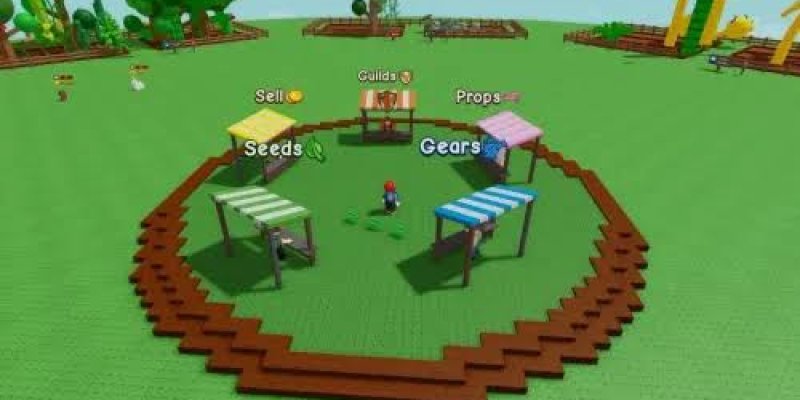
A successful season in Grow a Garden 2 starts with more than watering and waiting. Players who review Grow a Garden 2 Items before expanding their plots can make smarter choices about seeds, tools, and the resources that support steady progress.
The game rewards attention to timing, space, and crop value. A garden may look simple at first, yet small decisions about what to plant and when to harvest can shape the entire rhythm of a session.
Build a Productive Garden Layout
New plots should be arranged with movement in mind. Keep frequently harvested crops close to the main path, while slower plants can occupy outer rows. This reduces repeated walking and makes each collection round feel quicker.
It also helps to reserve a few spaces for flexible planting. When a new task appears or a valuable seed becomes available, an open section lets players respond immediately instead of removing healthy crops too early.
Place fast crops near the entrance for quick collection.
Group crops with similar growth times in the same area.
Leave room for seasonal plants and limited-time objectives.
Choose Crops for Timing and Value
Not every crop needs to deliver the highest possible return. Short-growth plants are useful during active play, while longer-growing varieties suit players who prefer to return later. A mixed garden can provide dependable income without making every harvest depend on one timer.
The following comparison offers a practical way to think about crop roles rather than treating every seed as an identical investment.
Crop Role Best Use Ideal Session Style
Quick harvest Frequent collection and task progress Active play
Long growth Higher value over a longer interval Short check-ins
Special crop Events, recipes, or collection goals Goal-focused play
A reliable routine often combines all three roles. Quick crops keep the garden moving, long-growth crops create value in the background, and special plants give each session a clear purpose.
Use Resources With a Clear Goal
Resources feel more valuable when they solve an immediate problem. Before spending on a new tool or planting option, consider whether it improves harvest speed, unlocks a useful recipe, or supports a current objective. Purchases tied to a plan usually feel more rewarding than random additions.
Seasonal activities are especially worth watching because they can introduce materials that remain useful after the event ends. Even if a reward does not fit today's layout, it may become important when a later task asks for a particular crop or crafted item.
Make Each Visit Count
A short visit can still be productive when it follows a simple order: collect ready crops, replant open spaces, check active goals, and then save the remaining resources for the next useful upgrade. This approach prevents the garden from becoming cluttered or unfocused.
Over time, the most enjoyable plots are those that reflect personal routines. Whether the goal is collecting rare plants, completing recipes, or maintaining a colorful farm, steady decisions create a garden that keeps growing with purpose.
Players looking to refine their next planting plan can explore Grow a Garden 2 Items online and use that information to shape a more efficient, enjoyable harvest schedule.