


@hartmann846
U4GM Modern Warfare 4: Reload or Rotate After Kills

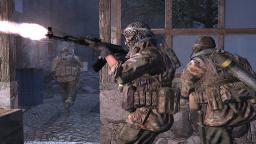
In the current MW4 multiplayer rhythm, the kill feed can lie to you. Dropping one opponent feels like a win, but the next three seconds often decide whether that pick becomes objective pressure or an instant trade. Players looking at MW4 Boosting are usually chasing cleaner results, and post-engagement discipline is one of the least flashy ways to get them.
Faster movement, aggressive re-peeks, and constant audio pressure make standing still after a fight far more dangerous than it used to feel. You do not need perfect aim to survive those moments; you need a repeatable decision process that stops adrenaline from choosing for you.
1 Why Is the Moment After a Kill So Dangerous?
Most players enter a gunfight with a clear plan: hold an angle, pre-aim a doorway, or swing when a teammate creates pressure. Once the target drops, that plan disappears. Your attention locks onto the body, the reload prompt, or the urge to chase, while an unseen teammate of that opponent is already moving toward the sound.
Every engagement leaves evidence behind. Gunfire gives away your lane, muzzle flashes reveal your rough position, and a downed enemy tells their squad exactly where to look. If you remain in the same place, you are effectively inviting the next opponent to take a prepared shot.
◆ A single elimination rarely means the area is clear, especially near hardpoint routes, capture zones, or popular flank paths.
◆ Audio can reveal a sprint, a reload, a door movement, or a nearby weapon swap before your screen provides any confirmation.
◆ The safest immediate move is often a short reposition, not a dramatic retreat across the map.
That last point matters. Moving five meters to a fresh piece of cover can break an enemy's expectation without giving away the objective. It is a small adjustment, but it turns their revenge push into a guess rather than a guaranteed line of sight.
2 When Should You Reload Instead of Moving?
Reloading after every kill is one of the most costly habits in a fast shooter. It feels responsible, yet it can leave you helpless precisely when the second opponent arrives. The right choice depends on remaining ammunition, your cover, and whether your teammates are close enough to cover the lane.
If you have enough rounds for one more controlled duel, move first. Slide behind solid cover, change elevation, or shift to the other side of a doorway before starting the reload. If your magazine is nearly empty and the enemy is likely close, use your secondary weapon or let a teammate take first contact rather than forcing a reload in view.
◆ Reload only when your position gives you protection from the angle that just produced the fight.
◆ If you hear footsteps closing in, keep your weapon ready and make the next opponent earn the trade.
◆ Use quiet moments after a team push to restore ammunition, armor, and tactical equipment before taking another lane.
There is also a tempo element. A quick reload behind cover is useful; a nervous reload in the open turns a favorable trade into a free response kill. Good players do not merely track ammo. They track how much time the enemy needs to reach them.
3 How Do You Turn a Win Into Map Control?
An elimination matters most when it changes where your team can stand. If you win a duel near an objective, do not automatically sprint toward the enemy spawn. First ask what space the opponent can no longer safely occupy. That may be a power position, a crossing lane, or the entrance your team struggled to contest thirty seconds earlier.
On objective modes, the strongest follow-up is often boring: hold the newly opened route, watch the likely return path, and let teammates move into the space you created. Pushing too deep can separate you from support and surrender the advantage before the team has used it.
1) Confirm whether another enemy is likely nearby through sound, teammate callouts, and recent minimap information.
2) Shift to cover that watches the enemy's most probable response route rather than the exact angle you just fought.
3) Tell teammates what changed: one opponent down, one lane open, or a likely threat still close.
Clear communication is especially valuable after a trade. A trade is not automatically neutral if it removes a defender and lets your team enter the hill or capture area. But teammates need the information immediately, not after they have already chosen a different route.
4 What Routine Holds Up Under Pressure?
The best post-engagement routine is short enough to survive a messy match. After every kill, failed push, or exchange, take a rapid scan: listen, look, count ammunition, then choose a new position. You will not perform that sequence perfectly every time, but repeating it builds the instinct to avoid standing over the last fight.
Players who want more consistent sessions should judge themselves by what happens after the first duel, not just by accuracy. A missed shot can be recovered with cover and patience. A successful kill followed by a careless re-peek usually cannot. The gap between a strong round and a frustrating one is often a decision made before the weapon finishes firing.
When practicing these habits, resources such as cheap CoD MW4 Boosting may be part of a player's wider progression plan, but match awareness still has to come from repetition. Leave the first fight, claim useful space, and make the next opponent search for you instead of finding you exactly where they expected.
Tags
- Seguidores 37
- Siguiendo 36
- Actualizaciones 47


