


@hartmann846
U4GM MLB The Show 26 Pack Spending Plan

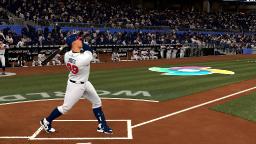
For MLB The Show 26, the safest Oct28 Spooky Diamond Quest plan is to separate program-pack spending, direct card purchases, and a no-spend reserve before opening anything. This approach suits players with limited stubs who want Kerry Wood, Sammy Sosa, or Bo Bichette without sacrificing Spooky Program progress. The short Oct26-30 window also makes a fixed spending cap more useful than chasing every card through packs. MLB The Show 26 Stubs can fit into that plan when you set the budget first and keep the event priorities clear.
1 How the Spooky Diamond Quest Budget Works
The budget has three separate parts: stubs for program packs, stubs reserved for a specific card, and stubs that stay untouched. This division prevents a lucky or poor pack run from deciding how much you can spend on the rest of the Spooky Program.
Start with your current balance, then remove any amount already assigned to program progress. The remaining free balance supports pack spending, while the reserve stays available for a missing Kerry Wood, Sammy Sosa, or Bo Bichette card near the end of the event.
This method works best when you have a clear roster need and a limited event window. It loses value when you open packs without a target, treat all three cards as equal priorities, or spend the reserve before checking program rewards and current card prices.
2 What Should You Set Before Buying Packs
Set the target card, pack limit, daily ceiling, and direct-purchase comparison before the first purchase. The settings below give each spending category a clear job during Oct26-30.
Recommended Budget Settings
| Budget Item | Recommended Option |
|---|---|
| Primary target | One Diamond Quest card |
| Event limit | A fixed pack cap through Oct26-30 |
| Reserve | Unspent stubs for a specific missing card |
| Daily control | A hard spend ceiling |
Choose one main card first, then place a second card on a watch list only if the first target is secured under budget. A two-card maximum keeps the ledger readable and prevents three separate chase plans from competing for the same stubs.
The pack cap should cover the batches you actually plan to open during the event, not an unlimited series of purchases. Stop at the cap or when the target card appears, then compare the remaining card price with your reserved balance.
Keep program rewards separate from purchased cards. Claim rewards that can fill a planned need before spending on that card, then move the released amount back to the reserve instead of turning it into extra pack money.
3 How Should Each Card Fit the Plan
Assign each Diamond Quest card a roster role before you assign it a stub limit. A starter receives the highest practical priority, a bench upgrade receives a smaller limit, and a collection piece should not take money away from an open lineup need.
| Card | Recommended Priority | Purpose |
|---|---|---|
| Kerry Wood | Rotation need | Adds a pitching option |
| Sammy Sosa | Open outfield or power-bat slot | Improves lineup power when a spot exists |
| Bo Bichette | Infield depth | Supports an open starter or bench role |
| Program rewards | plus progress first | Reduces the remaining purchase gap |
Compare every card with the roster spot it would actually occupy, not with its name or headline appeal. The card with the clearest active use should receive the first cap, while a card that only replaces a locked starter should stay lower on the list.
Kerry Wood and Rotation Depth
Wood deserves the strongest spending case when your rotation has an open role or lacks a dependable pitching option. Check the current rotation before opening packs so a new pitcher answers a real roster problem.
If the rotation is already settled, classify Wood as a collection piece or bench-level option. That lower priority reduces his cap and makes a direct purchase more sensible if the pack cost begins approaching the card's market price.
Sammy Sosa and Outfield Space
Sosa fits an open outfield position or a lineup that needs more power. Count the actual open slots before assigning stubs, because a crowded outfield lowers the value of another high-cost chase.
Use the outfield need as the trigger for a second pack cap, not excitement around the release. If Sosa would only sit behind established starters, place him on the watch list until the first target is secured.
Bo Bichette and Infield Depth
Bichette is most useful when your infield or bench has a genuine depth gap. Check both starters and reserves, then decide whether his card would enter the active lineup or simply add collection value.
A locked infield makes Bichette a lower-priority purchase during the Oct26-30 program. That condition matters because stubs spent on a marginal replacement can reduce your ability to finish more valuable program tasks.
Program Rewards and Direct Purchases
Program rewards should be counted before you price a missing card. Mark every reward that overlaps with Wood, Sosa, or Bichette, then calculate the remaining gap using only the card you still need.
Direct purchase becomes the better route when the market price is below the expected pack budget for that card. Use the odds shown in the game, and treat the direct price as a ceiling for additional pack spending.
4 What Is the Correct Spending Sequence
The sequence is simple: record free stubs, claim available rewards, choose one card, set its cap, and open only the planned pack batches. After each batch, update the balance and compare the result with the direct card option.
Use these actions in order so every purchase has a clear reason.
● Write down the starting balance and separate committed program stubs from free stubs before entering the pack screen.
● Claim no-cost Spooky Program rewards first, then remove any card already supplied by those rewards from the purchase plan.
● Open packs for one target until the card appears, the pack cap is reached, or the results provide no active-roster or collection value.
● Price the missing card after the batch and use the gap fund only when the direct purchase fits the remaining event budget.
Continue the plan while the target remains inside its cap and the pack results have useful value. Pause when the daily ceiling is reached, and stop the chase when the target is obtained or the direct option costs less than another planned batch.
5 How Do You Control Risk During Oct26-30
The main risk is allowing one poor pack sequence to consume stubs needed for the final Spooky Program rewards. Duplicate cards, low-use pulls, changing demand after the Oct28 release, and an unchecked second target can all weaken the original plan.
Use a short review after every batch instead of waiting until the final day.
● Check duplicate protection before opening packs, since duplicates can reduce value and divert stubs from the direct purchase of the target card.
● Record cards that improve the active roster, complete collections, or have no current use, then end a batch that produces only the last category.
● Recheck the displayed pack odds and the current direct card price before starting another batch, especially after Oct28 demand changes.
● Keep program tasks and market purchases on separate ledger lines so a reward claim never gets confused with a paid card acquisition.
A conservative variation limits the event to one target and keeps the second card on the watch list until the last-day reward check. An aggressive variation allows two separate caps for two roster starters, but it costs more flexibility and leaves less room for price movement on the final day.
6 What Are the Plan's Strengths and Weaknesses
| Strengths | Weaknesses |
|---|---|
| Clear spending categories | Requires regular ledger updates |
| Supports free program progress | Pack outcomes can remain low value |
| Matches cards to roster needs | Market prices can move near the deadline |
| Creates a final-day reserve | A strict cap can leave a card unclaimed |
This approach suits players who want controlled progress, have a specific rotation, outfield, or infield need, and prefer a direct purchase when pack spending becomes inefficient. It is less suited to players who want to pursue all three cards at once or value every card equally.
The reserve and stop rules reduce overspending, but they cannot guarantee a card, stable prices, or useful pack results. They also cannot replace the need to check program rewards and the displayed odds before each new batch.
7 How Should You Test and Adjust the Plan
Test the plan by reviewing two observations after each pack batch: how many cards improved the active roster or completed a collection, and how many stubs remain against the target cap. These checks show whether the pack route is producing useful value without consuming the reserve.
If the balance drops too quickly, check the pack cap and daily ceiling first, then lower the next batch size without changing the target. If the balance is controlled but the card has no roster role, check the lineup and program rewards, then move that card to the watch list and redirect the reserve toward a stronger need.
After the final reward check, price the missing card and spend only the gap fund if the purchase fits your ledger. Players who need a separate stub option for that final step can review cheap MLB The Show 26 Stubs while keeping the same caps and reserve rules in place.
Tags
- Followers 37
- Following 36
- Updates 53


